Private Dining · 6 min read
Private Chef Interview Questions That Actually Matter
By Chef Lucian Dunn
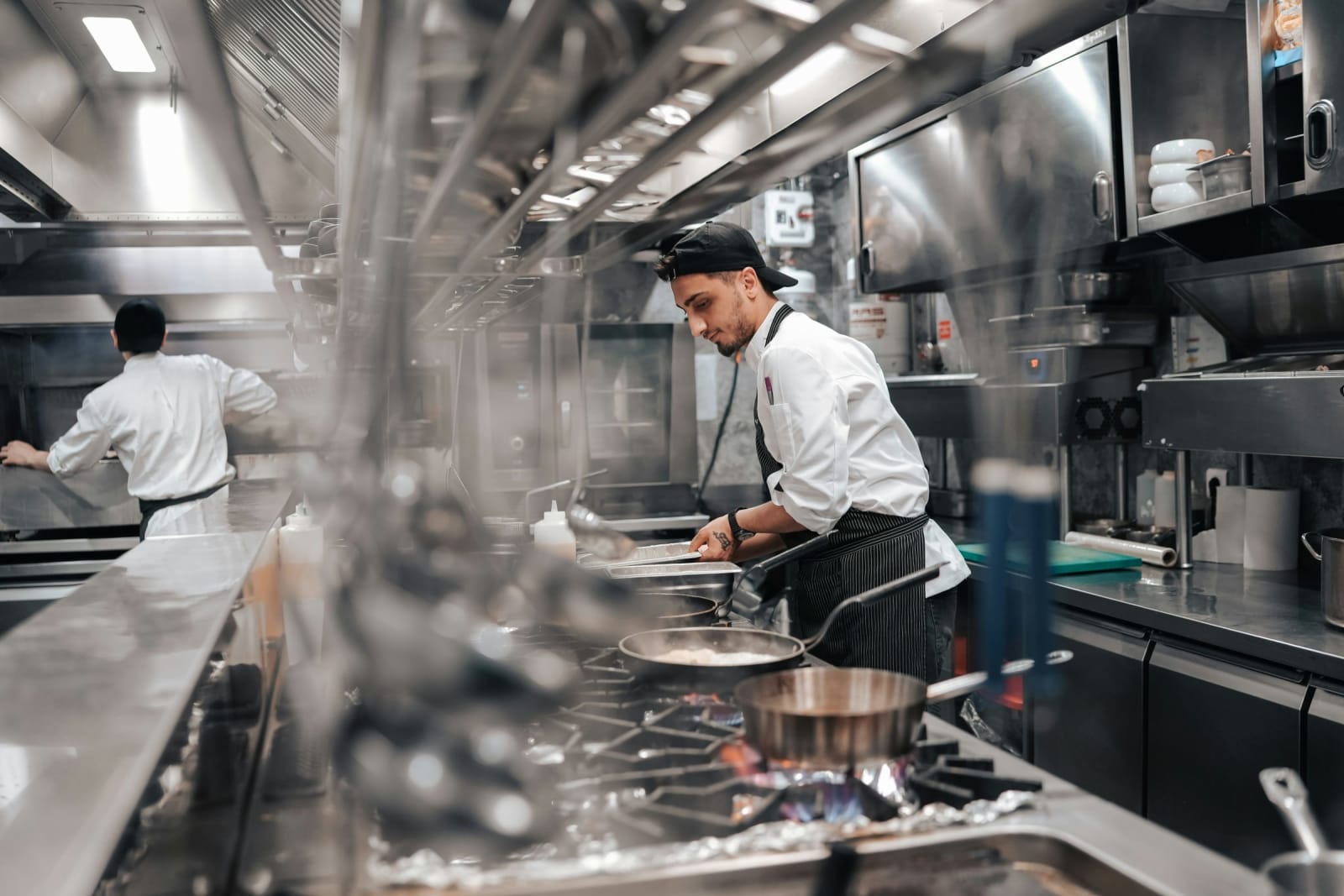
Hiring a private chef often comes down to one short conversation: the point where you decide whether to hand someone your kitchen, your guests and an evening you've been planning for weeks. Most people default to asking about cuisine style and availability, but those questions rarely predict whether dinner actually goes well. The questions that matter test judgement. How does the chef handle a last-minute allergy, a course that runs long, or a kitchen they've never seen? This guide sets out the interview questions worth asking and, just as importantly, what a good answer sounds like, so you can tell a confident professional from someone who simply interviews well.
Walk me through an event like mine
Skip the general portfolio review and ask for one specific example: a dinner with a similar guest count and occasion, ideally recent. A chef who has done it can describe real details without hesitating, such as how the menu was shaped for that group, how long service ran, how dessert was timed around the conversation and at least one thing they adjusted on the night. Vague answers like "I do lots of events" tell you very little. You're not looking for a perfect story; you're looking for evidence that the chef notices what's happening at the table and responds to it.
How do you handle a dietary curveball on the day?
Ask what happens if a guest mentions an allergy or a change in diet shortly before service. A strong answer is honest about limits as well as options. An experienced chef will explain how they'd adapt a dish without disrupting everyone else's timing, but will also tell you plainly when a request can't be met safely at short notice, particularly for a serious allergy. That honesty is a good sign, not a bad one. Dinner parties in Dubai often bring together many cuisines, cultures and dietary practices at one table, so this scenario is more likely than you might think. For what to share in advance, see how private chefs handle allergies and dietary restrictions.
What does your prep timeline look like?
A chef who runs events regularly can sketch the day hour by hour: when shopping happens, what's prepared in advance, when they arrive, when each course goes out and when the kitchen will be clear. Ask what is cooked in your kitchen and what arrives already prepared, because that affects how much space they'll need and how long your kitchen will be busy. The exact times will depend on the menu; what you're testing is whether the chef has a clear, practised plan or is working it out as they talk.
Can you sketch a menu for my guests and budget?
Tell the chef your guest count, the occasion, any dietary needs and a rough budget, then ask what they'd suggest. A good chef can outline a menu on the spot and explain the choices: why a lighter starter, why a sharing main for a lively group, where a premium ingredient would make the most difference. If every suggestion sounds identical regardless of who's coming or what you've said about budget, the menu isn't really being built around you. Listen for questions back, too. The best chefs ask about your guests before they talk about dishes.
What happens if something goes wrong?
Ask directly: a delivery is late, a key ingredient isn't available, or a dish doesn't turn out as planned. What then? Experienced chefs usually answer with a specific example and a calm explanation of the alternatives they keep in mind. This question tends to surface honesty quickly. Someone who claims nothing has ever gone wrong either hasn't done many events or isn't being straight with you; someone who can describe a problem and how they fixed it without the guests noticing is exactly who you want in your kitchen.
Should you ask for a trial meal or tasting?
It depends on what's at stake. For a one-off dinner, many hosts rely on sample menus, photos and reviews, and that's usually enough. For something more significant, such as a regular weekly arrangement, a full-time role or a large milestone event, it's reasonable to ask whether a tasting or a smaller trial booking is possible. Ask how it would work, whether it's charged, and whether the cost counts towards the main booking. Don't expect a free audition: the chef still shops, preps and cooks.
A trial is most useful when you treat it as a test of the whole service, not just the food. Notice whether the chef arrived on time, how they communicated beforehand, how they used and left your kitchen, and whether the dishes matched what you discussed. Those things predict the bigger evening better than any single bite.
What references should you ask a private chef for?
Reviews on a website or booking platform are a useful start, but for an important booking it's fair to ask whether you can speak to a past client, ideally one whose event resembled yours. Clients often prefer their privacy, so don't be surprised if references are shared selectively or with permission. When you do speak to someone, ask practical questions rather than "were they good?": was the menu what was agreed, did service run to time, how were dietary needs handled, what was the kitchen like afterwards, and would they book the chef again for something that really mattered.
For written reviews, look past the star rating to the detail. Reviews that mention specific dishes, how the chef dealt with a dietary requirement, or how relaxed the host felt tell you far more than a row of five stars.
How can you judge a chef's hygiene and kitchen habits?
You won't see a chef's habits in an interview, but you can ask questions that reveal them. Ask what food hygiene training they've completed, how they transport chilled ingredients and cooked dishes to your home, how they keep raw and cooked foods apart in a kitchen that isn't theirs, and what they do with food that has been sitting out during a long service. Listen for specific, practical answers delivered without fuss. A chef with good habits talks about them as routine, because they are.
If you do have a trial or first booking, watch the small things: clean hands and aprons, tidy workspaces, surfaces wiped as they go, cool boxes for chilled food and a kitchen left as clean as it was found. These details are easy to notice and hard to fake.
Which questions differ for a live-in versus a visiting chef?
A visiting chef comes for a specific event or a set number of cooking days, so your questions focus on the menu, timing, inclusions and how each visit runs. A live-in or full-time household chef is an employment relationship, and the conversation is closer to a job interview: working hours and days off, how menus are planned week to week, how grocery budgets are managed and accounted for, how they cook for children or guests at short notice, how they fit around household routines, and how privacy and discretion are handled. In the UAE, employing someone directly in your household also comes with legal and visa responsibilities, so take advice on those separately before making an offer.
If you're not sure which you need, think about how often you want someone cooking and whether you need them present at every meal. Most households find that a visiting chef for occasions, or a few cooking days a week, covers what they want without the commitment of a full-time role.
Reading the answers
The right chef answers these questions with specifics rather than generalities, admits limits where they exist, and asks you thoughtful questions in return. Once you've chosen someone, a separate set of practical questions confirms the booking itself, such as what's included, the final menu and how changes are handled; our pre-booking checklist covers those. If you're weighing chefs for an evening in Dubai, LUCIAN is happy to talk through any of the questions above. You can also see how LUCIAN works on the private chef in Dubai page.